
Salesforce, Salesforce Release Notes
What Is Copilot Cowork, and Why Should You Use It?
October 22, 2026
Read Now.svg)

August 25, 2026
.svg)
.svg)


Winter '27 has landed, and it's a release with a different rhythm than the one before it. Where Summer leaned into visible, day-to-day wins, this round spends more of its energy underneath the surface — tightening governance, sharpening AI guardrails, and giving builders sturdier tools to work with. Nothing here is loud. All of it adds up.
We picked five updates that stood out to us as the ones worth building into your rollout plan first. That said, the full release notes are worth a look on their own; there's more good stuff in there than five items can cover.
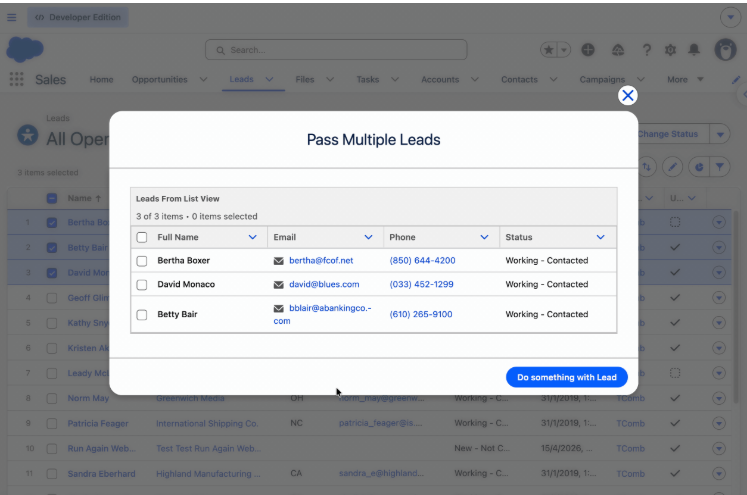
What's New: Screen Flows can now run as mass quick actions from list views and related lists. A flow receives the selected record IDs in a text collection variable named “ids,” allowing one guided experience to process many records at once.
The Benefit: This removes a long-standing gap between the flexibility of Screen Flow and the efficiency of bulk actions. Admins can build user-friendly mass-update, review, assignment, or processing experiences without forcing users through records one at a time or relying on custom UI workarounds.
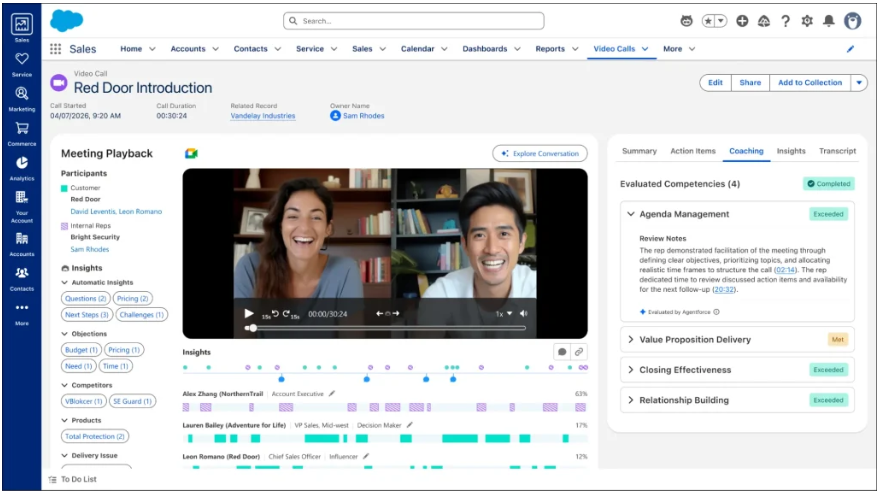
What's New: Call Coaching gives sales teams a structured way to evaluate and improve performance on video calls. Organizations can define up to eight active competencies and review each rep’s performance through ratings and coaching notes directly on the Coaching tab of the video call record.
The Benefit: Call Coaching creates a consistent, scalable coaching process based on the skills that matter most to your sales organization. Managers can focus coaching around clearly defined competencies, give reps actionable feedback tied to actual customer conversations, and track performance in one place. With Agentforce for Sales, AI-powered evaluations can also reduce the time managers spend manually reviewing calls, allowing organizations to provide more frequent coaching across the entire sales team.
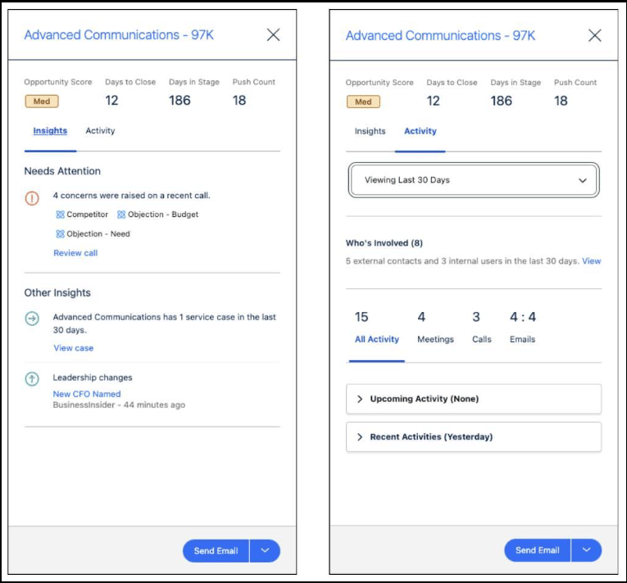
What's New: Winter ’27 brings deal-risk and activity insights directly into Pipeline Forecasting, giving sales teams greater visibility into deal health through deal risks, methodology scores, contact insights, and agent activity within the forecasting experience.
The Benefit: Forecasting becomes more useful when managers can see not only the number, but the evidence behind it. Bringing risk and engagement signals into the pipeline view can help sales leaders challenge weak assumptions earlier, focus coaching on the right opportunities, and improve forecast conversations.
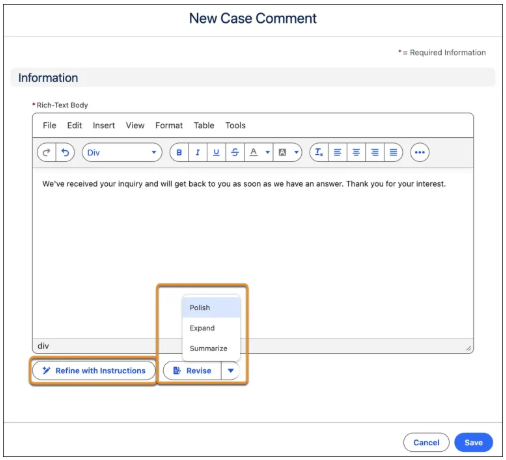
What's New: Service reps can use AI writing tools directly in the case comment editor to polish, expand, or summarize drafts while preserving the intended meaning. Admins can also configure guidance through the Refine Case Comment prompt template, and reps can refine either an entire comment or selected text.
The Benefit: Case comments are part of the permanent service record, but reps often write them quickly under pressure. Embedded refinement can improve clarity and consistency without making the rep leave the case, while configurable guidance gives organizations a way to reinforce their service-writing standards.
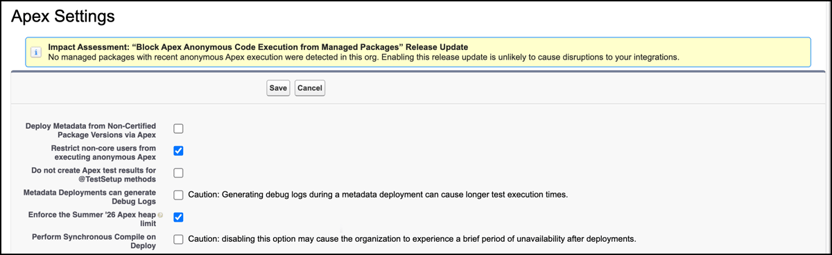
What's New: Salesforce is increasing Apex heap limits from 6 MB to 10 MB for synchronous transactions and from 12 MB to 25 MB for asynchronous transactions. The higher limits are enabled automatically as orgs move to Winter ’27.
The Benefit: This is a meaningful platform improvement for integrations, data transformations, JSON processing, and other memory-intensive Apex. It does not eliminate the need for efficient code, but it gives developers substantially more headroom and reduces runtime failures caused by heap constraints.
Every release trains us to look for the headline feature. Winter '27 rewards a different habit: noticing where a rule got clearer, a process got shorter, or a team got a little more trust in the system they work in every day. That's where this one earns its keep — not in one big swing, but in a handful of smaller ones that stack.
If you're mapping out how Winter '27 fits into your org's roadmap, we're glad to help you sort priority from noise. Connect with us on LinkedIn, X, and Facebook, or schedule a consultation to talk through what's worth prioritizing for your setup.
Written by Daegan Gray


Salesforce, Salesforce Release Notes
October 22, 2026
Read Now

Salesforce, Salesforce Release Notes
October 20, 2026
Read Now

Salesforce, Salesforce Release Notes
October 06, 2026
Read Now